Diabetes gradually alters blood circulation and the sensitivity of the feet. The result: a small injury that would go unnoticed in another person can turn into a serious complication. The good news is that a simple prevention routine and regular follow-up considerably reduce these risks.
Why are feet more vulnerable in people with diabetes?
High blood glucose over the long term affects two systems essential to foot health. On one hand, neuropathy reduces the sensation of pain, heat or pressure: you no longer feel a pebble in your shoe, a blister or a small cut. On the other hand, poor circulation slows down healing, which gives a minor wound time to become infected.
This combination explains why a careful examination of the feet is an integral part of managing diabetes.
Signs to watch for
Get into the habit of inspecting your feet every day, ideally at the same time. See a professional promptly if you notice:
-
a cut, a blister or a wound that does not heal;
-
redness, localized heat or swelling;
-
a change in the colour of the skin or nails;
-
unusual pain, numbness or tingling;
-
very dry, cracked skin or thick calluses.
In the case of an open wound accompanied by fever or discharge, do not delay: seek care without waiting.
Your daily care routine
1. Inspect
Check the top, the sole and especially the space between the toes. A mirror or the help of a loved one makes it easier to examine hard-to-see areas.
2. Wash and dry thoroughly
Wash with lukewarm water (never hot, to avoid burns) using a mild soap. Dry carefully, especially between the toes, where moisture encourages infection.
3. Moisturize
Apply a moisturizing cream on the top and the sole, but not between the toes. Supple skin cracks less.
4. Protect
Wear clean socks and closed, well-fitting shoes. Always check the inside of the shoe before putting it on. Avoid walking barefoot.
Things to avoid
-
Cutting corns and calluses yourself with a blade or a file;
-
using over-the-counter corn removers without professional advice;
-
soaking the feet for a long time in hot water;
-
wearing new shoes all day without breaking them in gradually.
The role of specialized follow-up
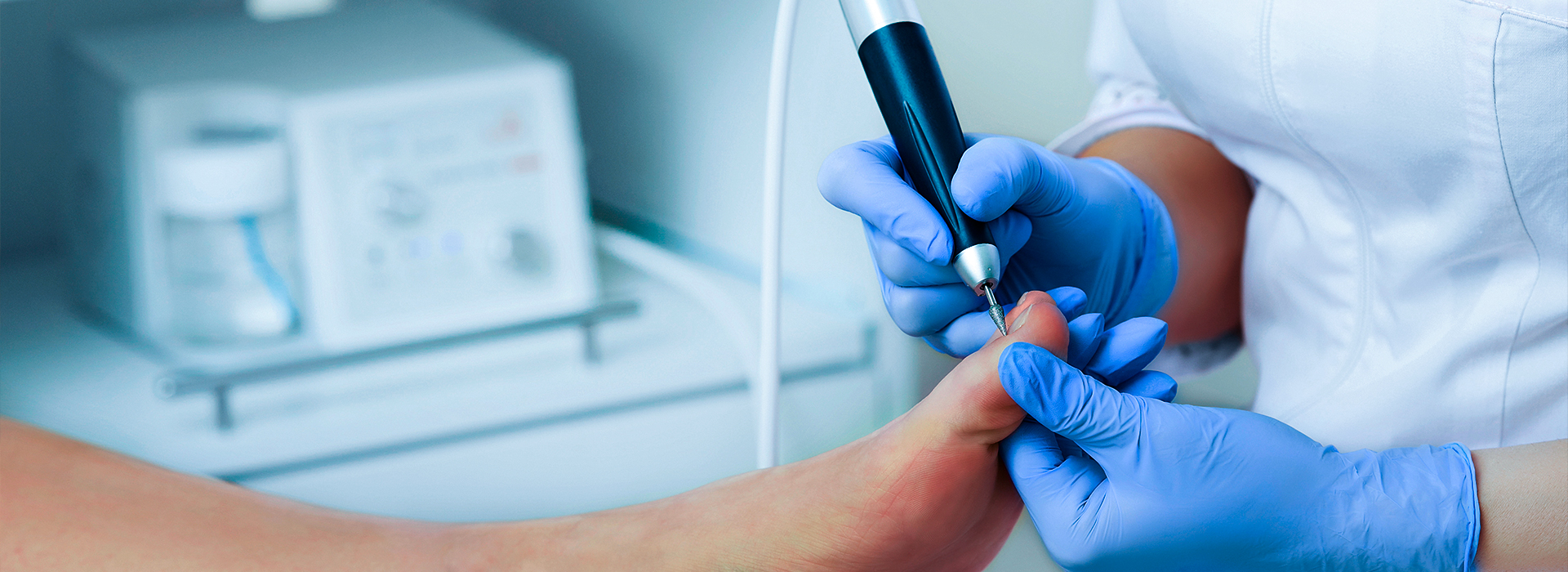
A foot care specialist assesses sensitivity and circulation, safely treats corns, calluses and thick nails, and helps you identify pressure areas before they become problematic. For a person with diabetes, this preventive follow-up is one of the best health investments: it prevents much more serious complications.
At the Claire Fontaine Clinic, every visit begins with an assessment in order to adapt the care to your condition and your real needs.